Why most Школа игры на барабанах projects fail (and how yours won't)
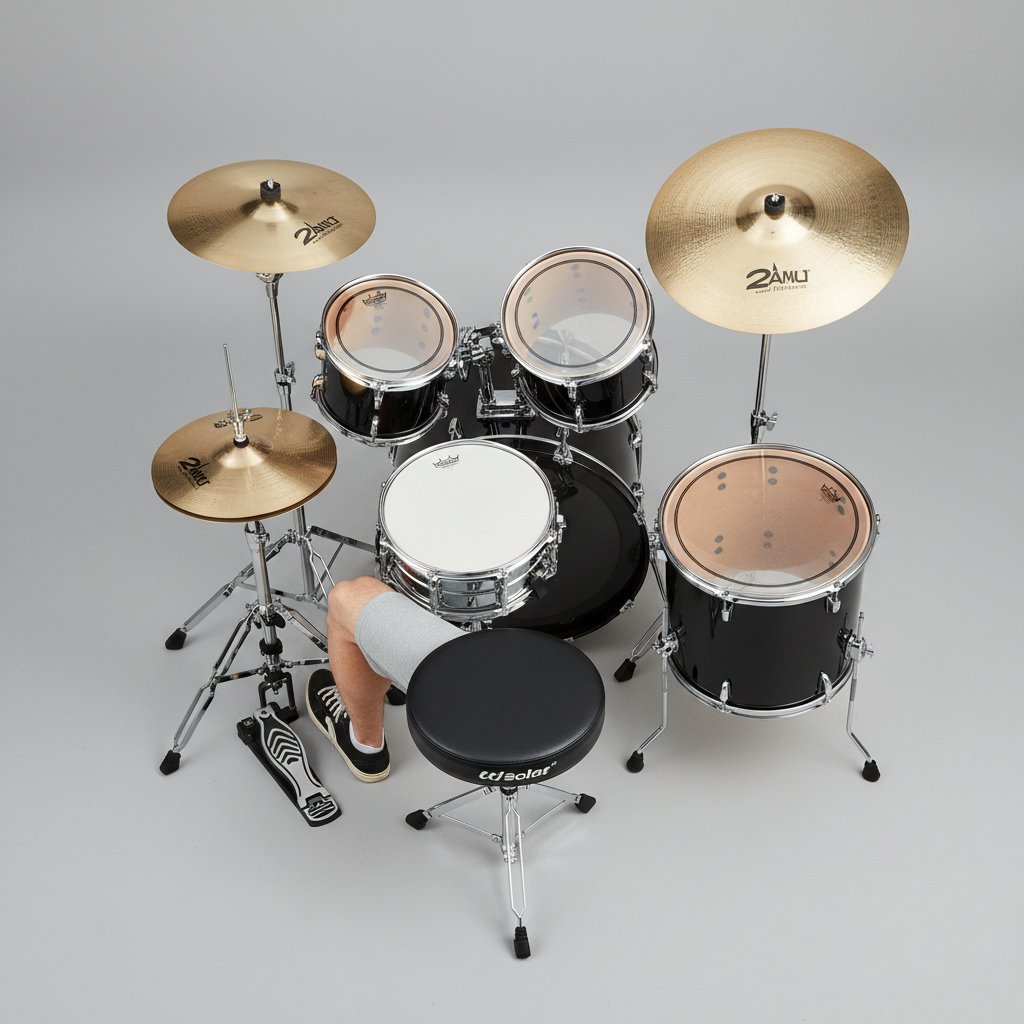
Your Drum School Died Before It Even Started (Here's Why)
Last month, I watched another drum teaching studio close its doors after just eight months. The owner—a killer drummer with 15 years of performance experience—looked genuinely confused. "I thought if I could play, I could teach," he said while packing up his last snare drum.
He's not alone. Roughly 60% of music schools don't make it past their second year. And drum instruction businesses? They face an even steeper uphill battle.
The problem isn't talent. It's almost never about how well you can execute a paradiddle or nail a blast beat. Most drum teaching ventures collapse because their founders mistake passion for a business plan.
The Three Silent Killers
Invisible Marketing (Or: "They'll Find Me, Right?")
Here's what usually happens: Someone rents a space, buys a decent kit, prints some flyers, and waits. They post on Facebook twice. Maybe they tell their friends. Then crickets.
The average drum school needs at least 15-20 consistent students to break even on basic overhead. That's assuming you're charging $120-150 per month per student. Most new instructors start with three students—usually friends or family—and never get beyond seven.
You can't build a business on hope and the occasional Instagram story.
The Pricing Disaster
I've seen instructors charge $25 for a 45-minute lesson because they're scared nobody will pay more. Then they wonder why they're teaching 30 hours a week and still can't afford rent.
Do the math: At $25 per lesson with 20 students taking weekly lessons, you're pulling in $2,000 monthly before expenses. Subtract room rental ($600-800), insurance ($100), equipment maintenance ($150), and marketing ($200). You're left with roughly $1,000 for yourself. For 80+ hours of work per month.
That's not a business. That's an expensive hobby.
Zero Systems = Maximum Chaos
Most drum schools run on vibes and text messages. No scheduling software. No payment automation. No curriculum structure. Just a guy with sticks trying to remember who paid and who didn't.
When everything lives in your head, nothing scales. You become the bottleneck.
Warning Signs Your Venture Is Headed South
- You're constantly chasing students for payment
- Your schedule looks like a Tetris game designed by a sadist
- You can't take a week off without everything falling apart
- Students cancel with two hours' notice and you just absorb the loss
- You have no idea which marketing efforts actually bring in students
The Five-Part Fix
1. Pick Your Lane (And Own It)
Stop trying to teach everyone everything. The drum schools that survive specialize. Maybe you're the metal guy who teaches double bass techniques. Or the jazz educator who focuses on brush work and independence. Perhaps you build a reputation for getting complete beginners to their first gig in 90 days.
Specialization makes marketing 10x easier. "Drum lessons" is noise. "Learn Travis Barker-style punk drumming in 12 weeks" is a message.
2. Price Like a Professional (Because You Are One)
Research your local market, then charge in the top 30%. If competitors charge $40-60 per lesson, you should be at $55-75. Higher prices attract committed students who actually practice and show up.
Build packages: Four lessons for $260 instead of pay-as-you-go. Monthly subscriptions of $280 for weekly instruction. This creates predictable revenue and reduces administrative headaches.
3. Automate Everything That Isn't Teaching
Invest $50-100 monthly in scheduling software like Acuity or Calendly. Connect it to Stripe for automatic payments. Use a simple CRM (even a detailed spreadsheet works) to track student progress and communication.
These tools buy you back 10-15 hours per month. That's time you can spend teaching more students or actually marketing your business.
4. Market Every Single Week
Allocate five hours weekly to marketing. Not "when you feel like it." Every. Single. Week.
Post lesson clips on TikTok and Instagram Reels. Film student progress videos (with permission). Write blog posts about common drumming problems. Partner with local music stores. Offer free 20-minute trial sessions.
One instructor I know gets 40% of his students from a simple YouTube channel where he breaks down famous drum parts. He posts one video weekly. That's it.
5. Build Your Curriculum Once
Create a structured path from beginner to intermediate. Document it. Use the same proven progression for every new student with adjustments as needed.
This isn't about being robotic—it's about having a framework that works. Students progress faster with clear milestones. You teach more efficiently without reinventing the wheel every lesson.
The Six-Month Prevention Plan
Before you officially launch, spend 60 days building your online presence. Create content. Establish your niche. Line up your first 10 students through your network and trial offers.
Start part-time if you need to. Going full-time with zero students and three months of savings is how people end up back at day jobs, convinced that teaching doesn't work.
The drum schools that thrive treat teaching as a craft and the business as a separate skill to master. Both matter equally. Your ability to execute a flawless double-stroke roll means nothing if nobody knows you exist.
Build the business part right, and you'll actually get to spend your days doing what you love—turning beginners into drummers.